

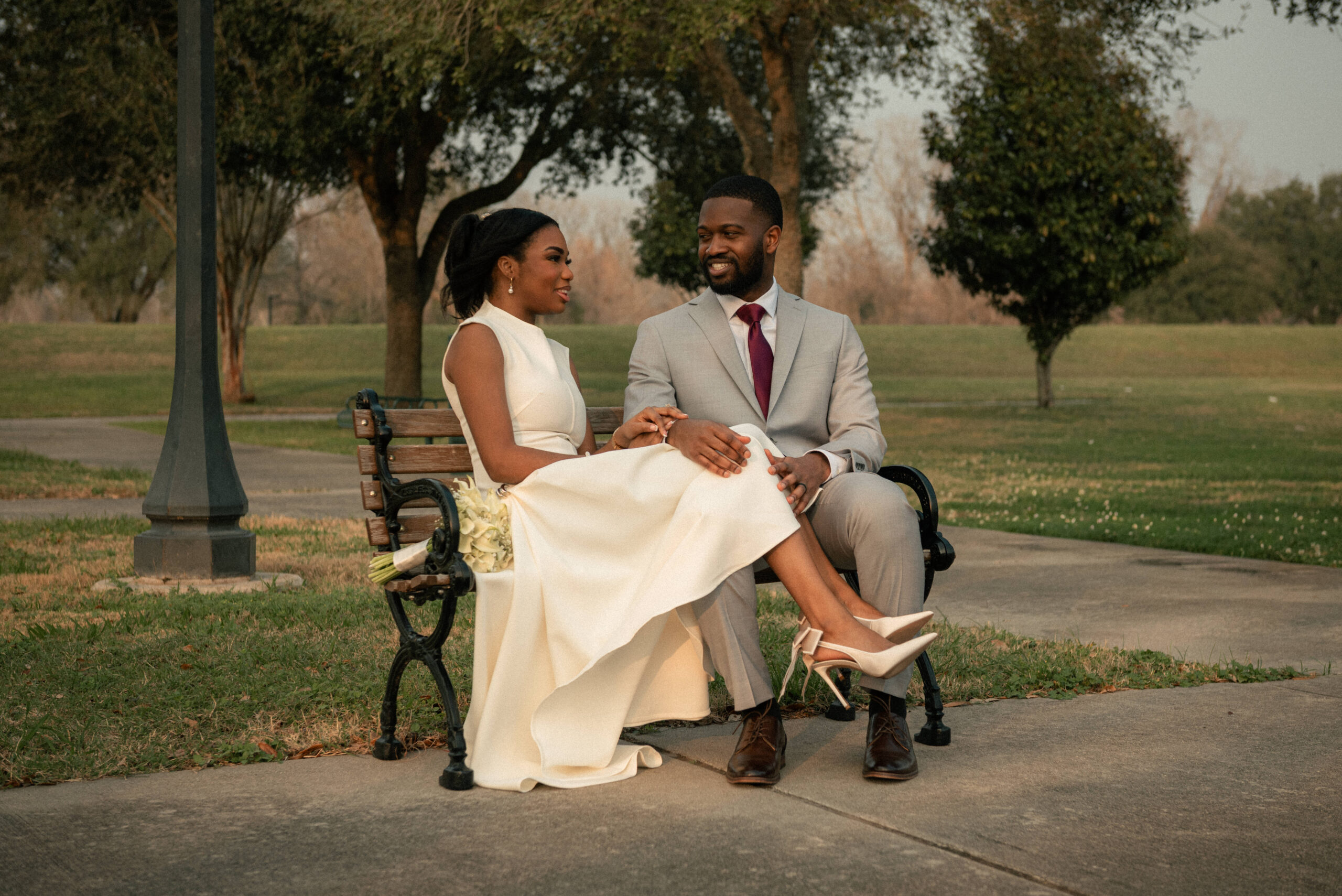
Most couples start the same way. You’re planning a wedding day, you’re searching photographers, you’re saving images that feel like you, and you’re trying to make a decision that actually makes sense.
Then the plot twists.
You realize you’re not just booking someone to take photos. You’re booking someone to hold the emotional weight of the day, help it run smoothly, and create images that feel like your story instead of a highlight reel.
And if you’re leaning elopement, micro wedding, courthouse, or destination, this is where the conversation changes.
Because an elopement is still a wedding, but the planning needs are different. The pace is different. The way the story unfolds is different. And the photographer you choose can either make the whole experience feel calm and intentional, or feel like you’re figuring everything out on your own.
This post breaks down the real differences between hiring an elopement photographer and hiring a wedding photographer, with a wedding-first mindset, then elopement reality, then engagement sessions as the secret support system most couples do not think about until later.
Wedding first: what most couples assume a wedding photographer does
When couples picture a wedding photographer, they usually picture:
- someone who shows up with cameras
- takes portraits
- captures the ceremony
- covers the reception
- delivers a gallery
And yes, that is part of it. But wedding photography is often built around an existing structure. Most weddings have:
- a venue timeline
- a coordinator or planner
- a ceremony time that anchors the day
- vendors who know where to go and when
- a reception flow that follows tradition
Even when things shift, the framework is there.
That structure helps a wedding photographer do their job well. It gives predictable “beats” to capture.
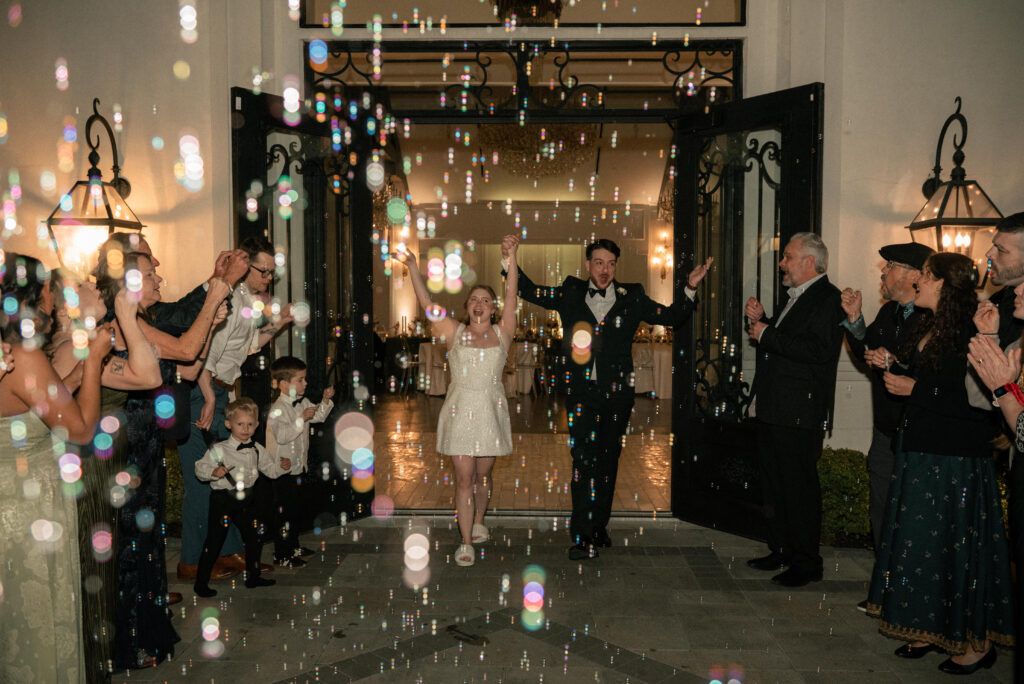
If you’re planning a full wedding day and want to see what documentary coverage looks like start to finish, you can browse my wedding work HERE.
So what changes with elopements? Almost everything about the role
Elopements are often more flexible. Which sounds easy, until you realize flexibility also means you have fewer built-in anchors.
Here’s the simplest way to say it:
A wedding photographer usually documents a plan that already exists.
An elopement photographer often helps you create the plan.
That one difference affects everything.
1) Elopement photographers are part location scout, part timeline builder
With most weddings, you choose a venue and the venue determines a lot. The ceremony space is fixed. Portrait locations are nearby. Reception is set.
With elopements, especially in Houston or destinations, you might be choosing between:
- courthouse vs park vs indoor
- sunrise vs sunset
- public spot vs private rental
- one location vs multiple locations
- hiking or no hiking
- guests or no guests
An elopement photographer is often helping you choose a location that fits:
- your comfort level
- your guest count
- the season and weather
- permit rules
- the kind of photos you want
- the kind of day you want
Planning insight: A beautiful location is not automatically a good elopement location. A good elopement location is beautiful and doable.
If you’re still narrowing down where to elope, I have a whole page that breaks down location options and elopement coverage, HERE.
2) Elopement photography is more experience-led than event-led
A traditional wedding has an event structure. You’re hosting. You have guests to greet. You move from one part of the day to the next.
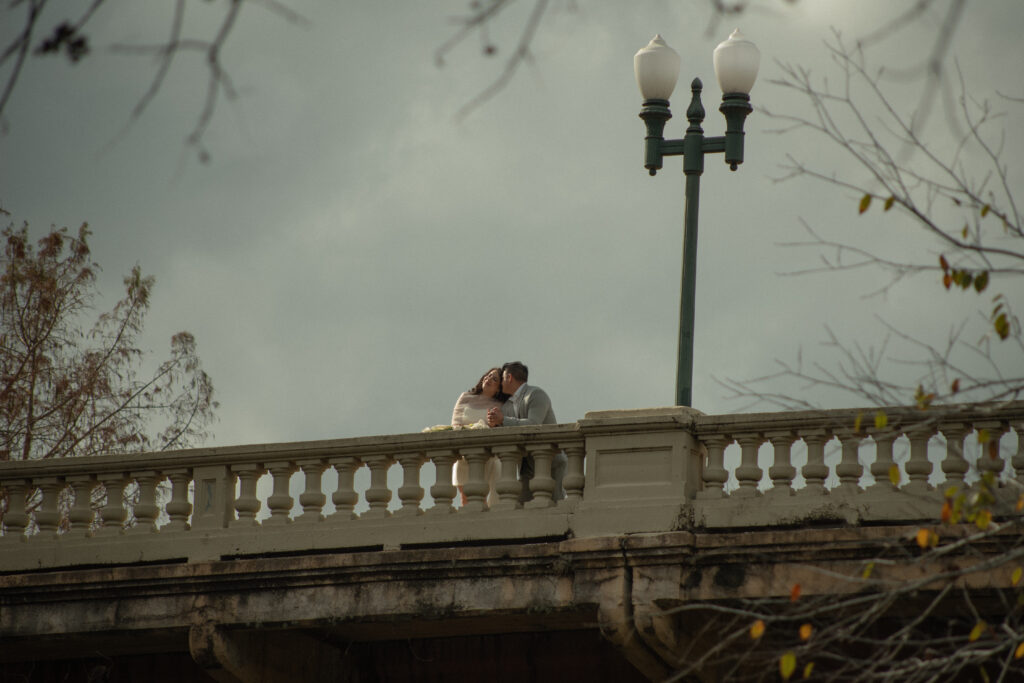
Elopements tend to be experience-led. That might look like:
- slow morning getting ready
- private vows in a meaningful spot
- an adventure drive, hike, or walk
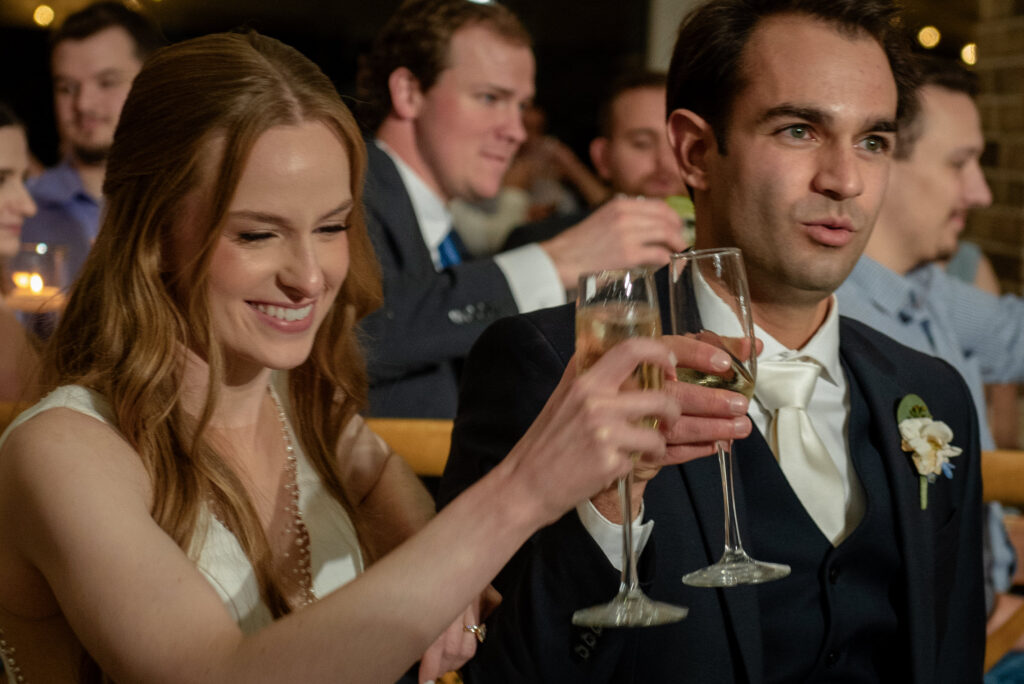
- a champagne toast
- dinner reservations in the city
- sunset portraits with no rush
- a quiet end to the day
This is why elopement coverage is often less about “how many photos do we get” and more about:
- how the day feels while it’s happening
- whether you have time to breathe
- whether the story is captured in full, not rushed
Planning insight: Elopements are where the in-between moments become the main moments. If your photographer only knows how to shoot the big beats, you might miss the best parts.
3) Elopement photographers often guide more than a wedding photographers
This surprises couples. They assume elopements will be “more candid,” so the photographer will direct less.
In reality, elopements often need gentle guidance because you do not have a venue timeline or a coordinator keeping things moving.
A good elopement photographer helps with:
- where to stand for flattering light
- how to time the ceremony for privacy
- how to structure portraits so they feel natural
- what to do if weather changes
- how to make a short day feel complete
The goal is never to over-pose you. It’s to create enough structure so you can relax into the day.
Planning insight: The best direction feels like you’re being taken care of, not managed.
4) Permits and rules matter more for elopements
At venues, permits are usually handled for you. You show up and get married.
For elopements, especially in parks, public spaces, and national parks, you may need:
- special use permits
- location restrictions
- guest count limits
- photography rules
- time limits
A photographer who regularly shoots elopements is more likely to know what to look for and when to plan around it.
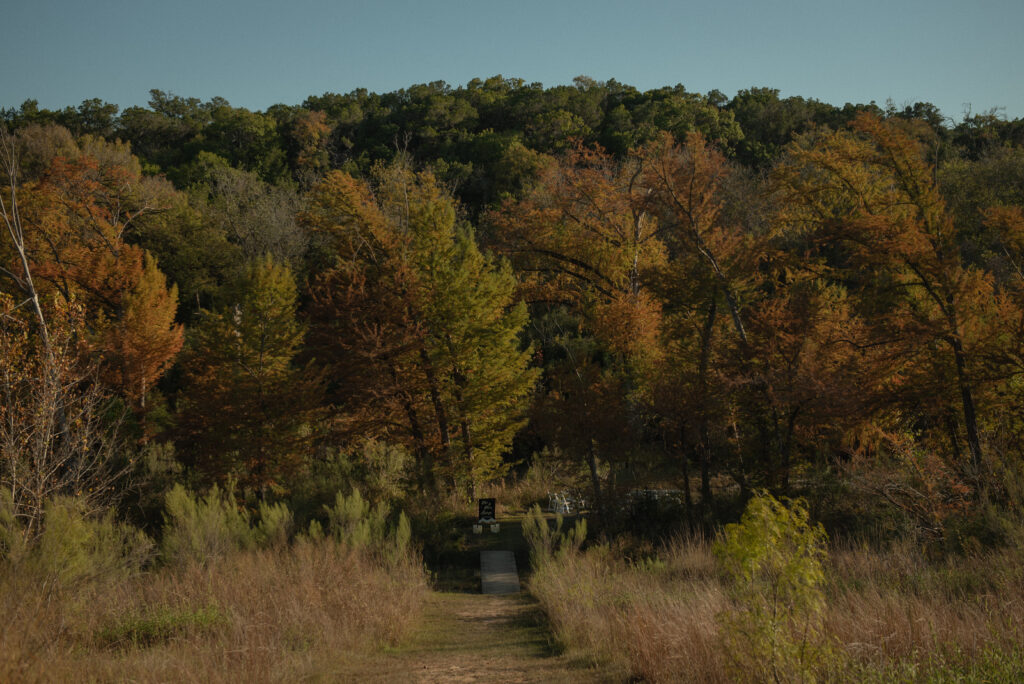
This matters in Houston too. Some parks require permits. Some public areas are busier than couples expect. Some “perfect” locations are only perfect at certain times of day.
Planning insight: If your ceremony location is public, your timeline becomes your privacy plan.
5) Elopement galleries live or die by storytelling
At weddings, there are naturally many storylines. Guests, speeches, dance floor, group moments.
At elopements, the story is more focused. Which means your photographer has to be more intentional about:
- pacing
- variety
- capturing emotion in subtle moments
- building a gallery that feels complete without “filler”
A strong elopement gallery includes:
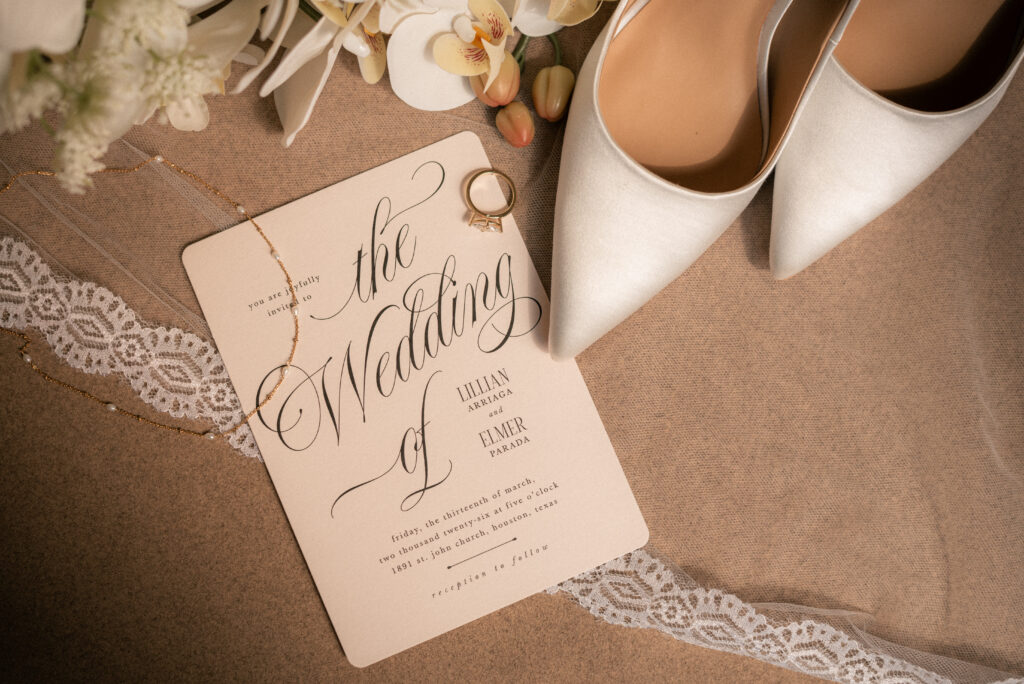
- details (rings, vow book, florals)
- environment and scene setting
- ceremony and vows
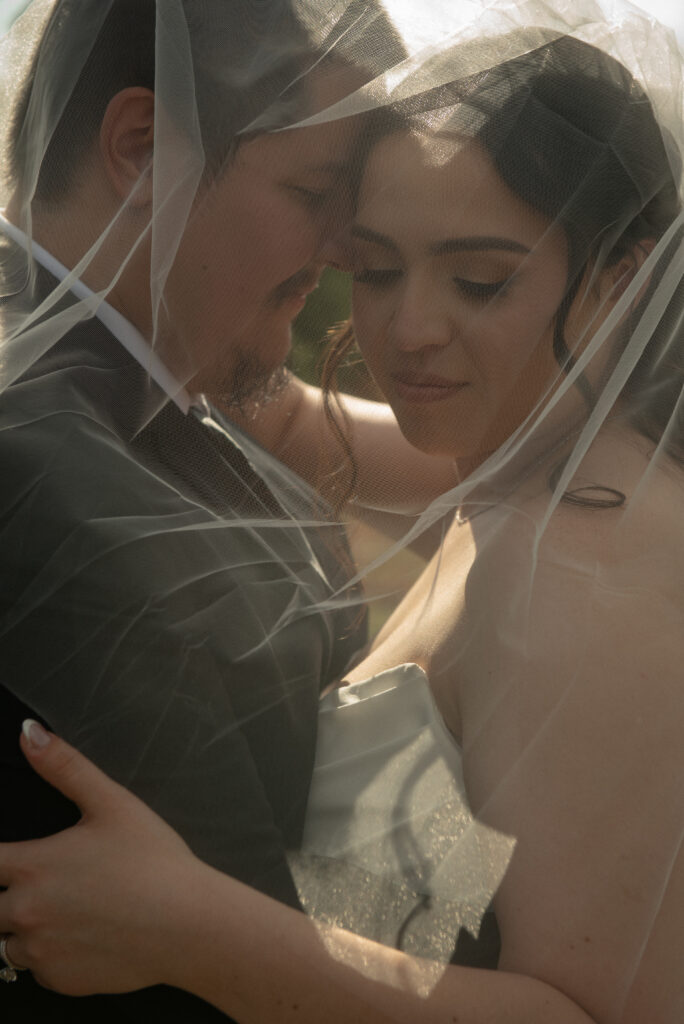
- portraits that feel like connection, not posing
- a celebration moment
- the quiet ending
Planning insight: If you want your elopement to feel like a whole day, plan a “last chapter” moment. Dinner, a toast, a walk at sunset, something that closes the story.
6) Destination elopements require travel-smart planning
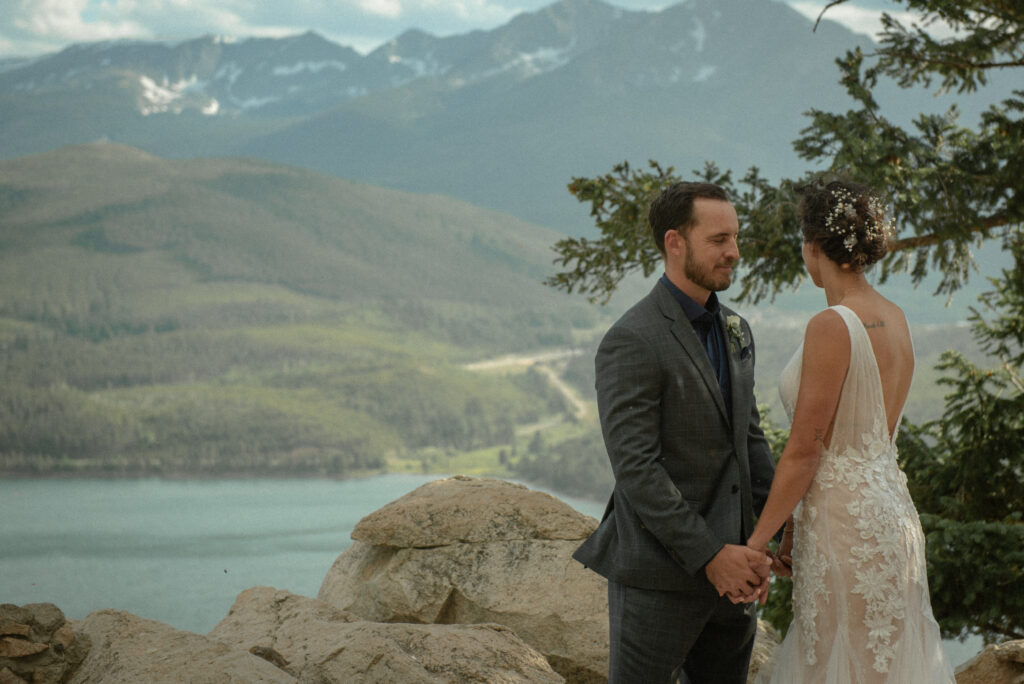
If you’re planning a destination elopement, your photographer is often helping you think through:
- travel days and recovery time
- sunrise and sunset timing in that season
- lodging locations relative to ceremony locations
- backup plans that are actually nearby
- how to avoid crowded “hotspots” while still getting the view
A photographer who is comfortable with destination elopements thinks like:
- a traveler
- a planner
- a storyteller
Not just someone who flies in and hopes for the best.
Planning insight: The best destination elopements have a plan A and a plan B that still feels beautiful.
If you’re dreaming about something outside of Houston, that elopement page also covers how travel coverage works.
How to tell if someone is truly great at elopements
If you want a quick checklist, here it is.
Ask yourself:
- Do their full galleries show a complete story, not just portraits?
- Do they talk about planning support, not just “show up and shoot”?
- Do they mention permits, timelines, and location logistics?
- Do their couples look relaxed, not overly posed?
- Do they have examples in different lighting and weather?
Ask them directly:
- “Do you help build an elopement timeline?”
- “Do you help choose locations based on privacy and light?”
- “What happens if weather changes?”
- “What does a full elopement gallery usually include?”
If their answers feel clear, confident, and calm, that’s a good sign.
Where engagement sessions fit in (and why they matter even for elopements)
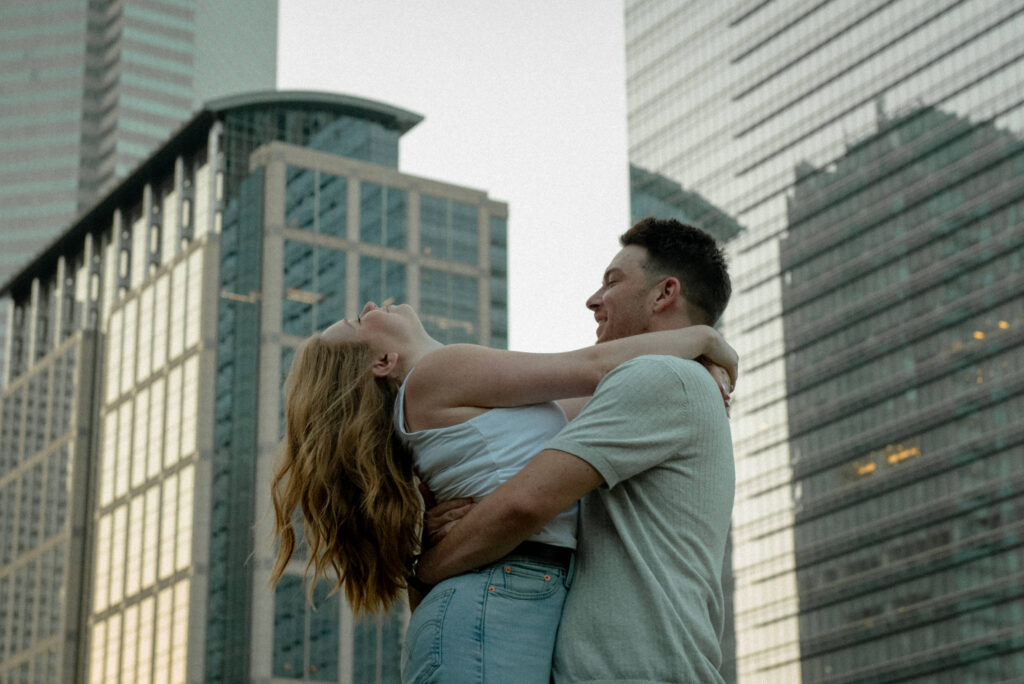
Engagement sessions are not just for save-the-dates. They are practice for presence.
If you’re eloping, engagement photos can help you:
- feel comfortable with candid prompts
- learn what you like visually
- get used to being photographed without feeling awkward
- build trust before the wedding day
They are also a great way to document this season before the wedding, especially if your elopement will be fast, private, or destination-based.
If you want to see what engagement sessions look like when they’re more about connection than posing, start HERE.
Soft next step for couples in the decision stage
If you’re in the decision-making stage and trying to figure out whether to hire someone who “also does elopements” or someone who builds elopements into the way they work, I hope this helped.
Elopements are not less. They are just different. And they deserve a photographer who knows how to protect the day, not just document it.
If you want an elopement day that feels calm, intentional, and true to you, I’d love to hear what you’re planning.
You can reach out HERE and tell me what your day is starting to look like.
FAQ: Elopement photographer vs wedding photographer
Is an elopement photographer different from a wedding photographer?
Often, yes. Elopement photographers typically provide more planning support, help choose locations, build timelines around light and privacy, and guide the experience more directly because elopements do not have the same built-in structure as traditional weddings.
Do I need a photographer who specializes in elopements?
If you want help with location planning, permits, timeline building, and a full story-driven gallery, hiring someone experienced with elopements can make the day feel much calmer. It’s especially helpful for destination elopements or outdoor locations.
How many hours do you need for elopement photography?
Many couples book 3–6 hours for an elopement depending on how many locations they want, whether they want getting ready coverage, and if they’re including a celebration dinner or sunset portraits. The right answer depends on the experience you want.
Can we still have engagement photos if we’re eloping?
Absolutely. Engagement photos help you feel comfortable in front of the camera and give you images from this season before your wedding day. They’re also a great warm-up before an elopement.
What should we look for in an elopement photography package?
Look for clear guidance on planning support, what’s included in coverage, how location and timeline help works, backup plans for weather, and full gallery consistency in different lighting situations.


https://shorturl.fm/JcxwG