

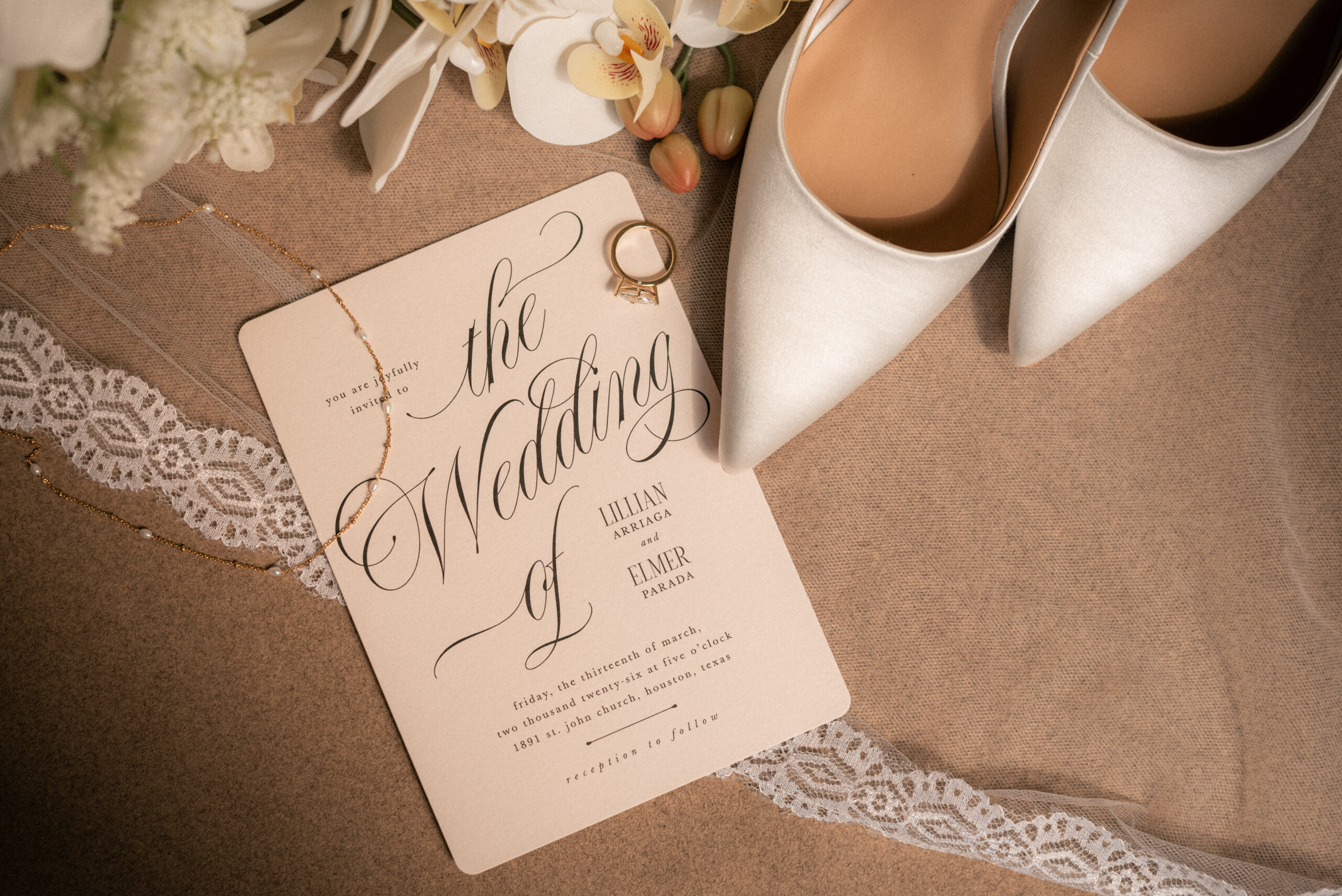
A lot of couples start planning a wedding with the best intentions. A venue tour here, a Pinterest board there, a guest list spreadsheet that somehow doubles overnight. Then one day, it hits you.
You want the marriage, the meaning, the photos that make you feel something when you’re old and soft and looking back. You just do not want the pressure.
That is usually where the idea of a destination elopement shows up.
Not as an escape. More like a return. A return to the part of this that matters most: you two, making a promise in a place that feels like your kind of magic.
I’m Houston-based and photograph intimate weddings and elopements for couples who want their day to feel honest and intentional. Destination elopements are a natural extension of that. The pacing is slower, the moments are real, and the experience leaves room for joy instead of constant managing.
This guide is the full start-to-finish planning process, written like a calm friend who has seen how these days really unfold. Wedding first in mindset, then elopement, then the engagement piece that often gets overlooked, but can make the whole story feel complete.
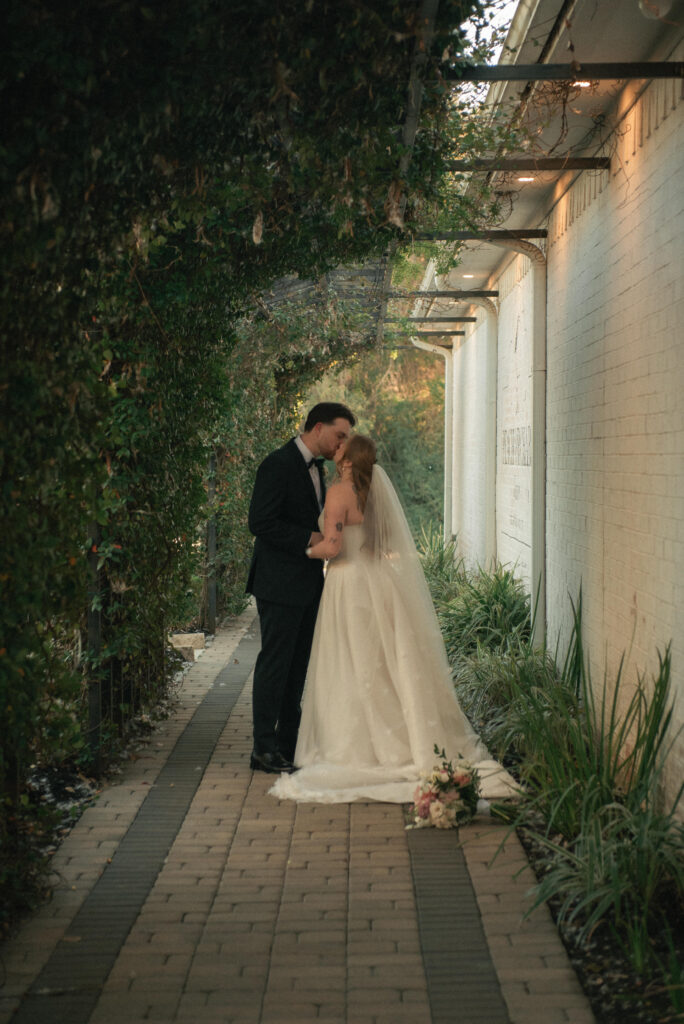
Start with the wedding mindset: What do you want your marriage to feel like?
Before we talk about permits, logistics, and travel, I want you to answer one question that has nothing to do with planning.
What do you want your marriage to feel like?
Not your wedding day. Your marriage.
If your answer is things like calm, steady, adventurous, private, playful, deeply connected, then planning a destination elopement becomes much clearer. You are not skipping a wedding. You are designing a day that matches your values.
Here are a few “wedding-first” questions that help couples decide what kind of destination celebration fits:
- Do we want our vows to be private or witnessed?
- Do we want a ceremony, a dinner, and a full weekend feel?
- Do we want an experience-forward day or a tradition-forward day?
- Do we want to include family, and if so, how?
Planning insight: A destination elopement can still feel like a wedding. You can have a ceremony, attire, florals, a first dance in a cabin, a private chef, a champagne toast, and a full story. The difference is that you get to choose each piece on purpose.
If you’re still deciding whether you want a full wedding day or something more intimate, you can peek at my wedding work HERE.
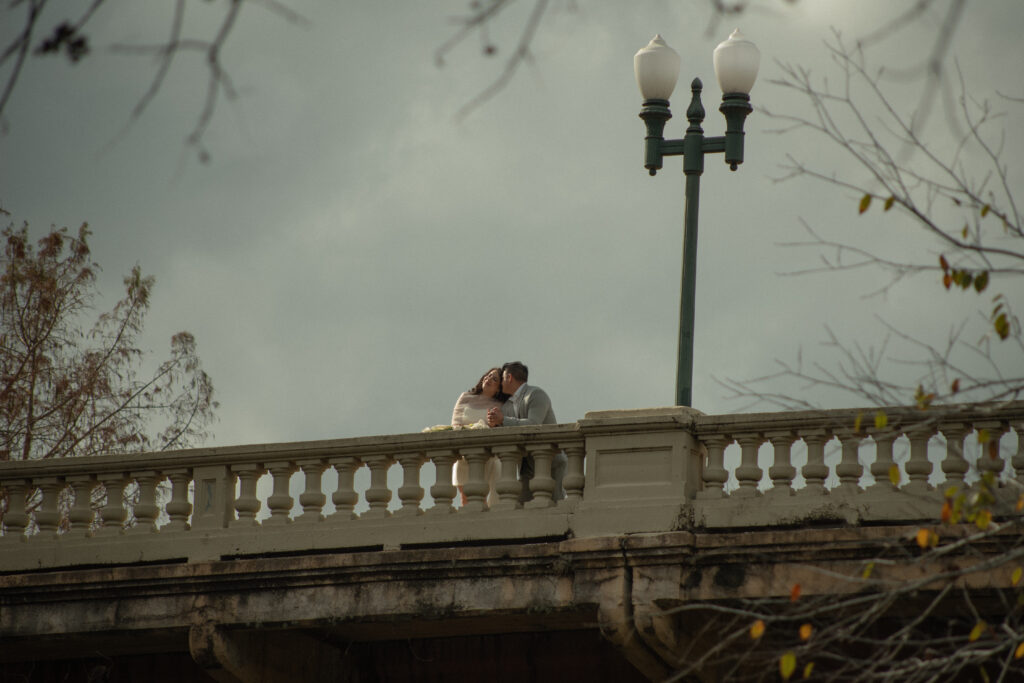
Step 1: Choose the kind of destination elopement you’re planning
“Destination elopement” can mean a lot of things. Narrowing your style early makes every decision easier.
Option A: Just the two of you
Private vows, minimal guests, very experience-driven. Great if you want privacy and full freedom on timeline and location.
Option B: A micro wedding at a destination
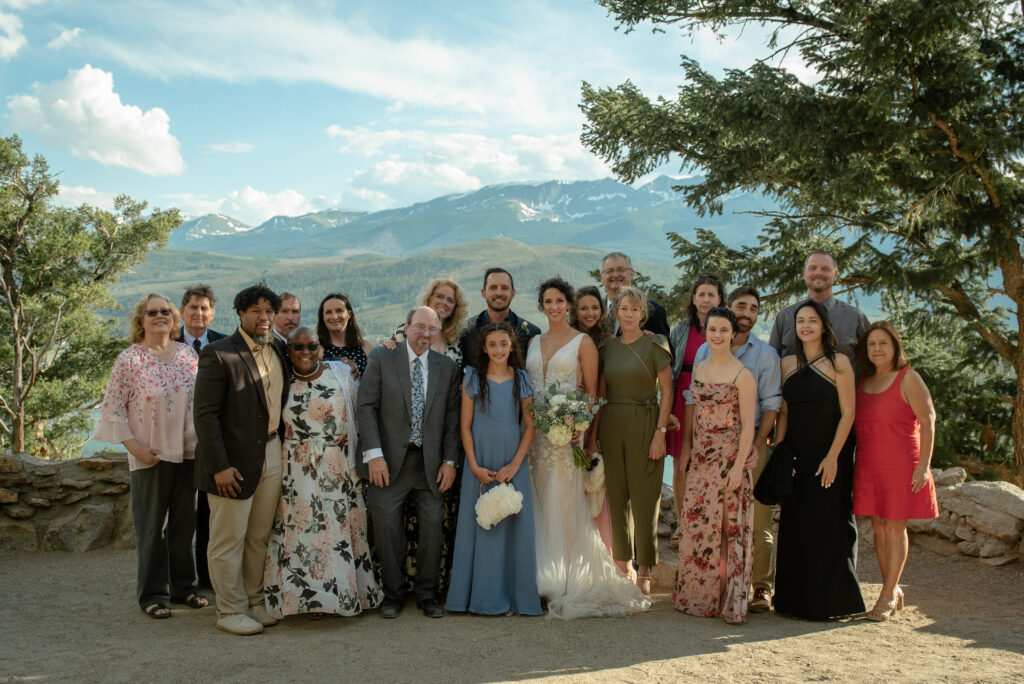
A small group (usually under 20), often with a ceremony and dinner. This is a strong choice if family presence matters, but you still want intimacy.
Option C: The two of you first, then a celebration later
This is one of the most peaceful options for couples who want privacy and family time. You get the emotional space for vows, and you still get the “everyone together” moment later.
Planning insight: Decide on guest count before you pick a location. Some national parks and remote areas have strict limits and permit rules.
Step 2: Pick a destination that supports your vision, not just your photos
Yes, you want it to be beautiful. But the best destination elopement locations are also practical.
Look for:
- Accessibility: Are you hiking? Is it wheelchair-friendly? Is there a short walk that still feels scenic?
- Weather reliability: Not perfect weather, but manageable weather.
- Permit clarity: Some places make this simple, others do not.
- Seasonal crowds: A place can be stunning and also packed.
How to choose your “kind of beautiful”
A quick way to narrow destinations is to pick a landscape that feels like you:
- Mountains + alpine lakes
- Desert + red rock
- Coastal cliffs + fog
- Forest + moody greens
- City + architecture + food
Planning insight: If you are choosing between two places, choose the one where you will feel the most like yourselves. Photos follow feeling more than they follow scenery.
If you’re local and considering doing something intimate close to home instead, I’ve got ideas for Houston elopements too.”
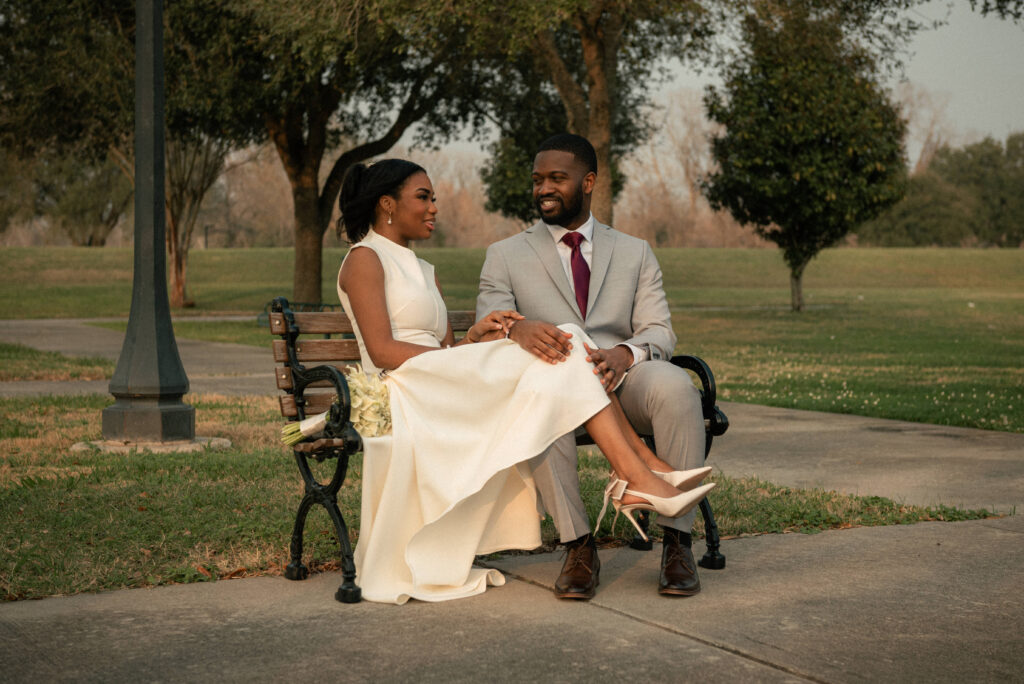
Step 3: Lock in your date range before you lock in a single date
This is where destination elopements get easier than weddings.
Instead of committing to one exact date 12 months out, choose:
- A season
- A weekday preference
- A 2–4 day window for flexibility
Why this matters:
- Better pricing for travel and lodging
- More vendor availability
- More flexibility if weather shifts
- Less pressure on the timeline
Planning insight: Weekdays are often calmer, cheaper, and more private at popular destinations. If privacy matters, a Tuesday ceremony can feel like a secret you get to keep.
Step 4: Understand the legal side without letting it take over
Every location has different marriage license rules. Some require in-person appointments. Some require waiting periods. Some are easier in one county than another.
Here’s the simplest way to approach it:
Two common legal paths
- Get legally married at home, elope for real emotionally
You can do courthouse paperwork in Houston (or your home city) and make your destination day purely ceremonial. This is very common and takes pressure off logistics. - Get legally married at your destination
Totally doable, just requires early research on that state or country’s requirements.
Planning insight: If you want the destination to feel simple, getting legally married at home can remove a lot of stress. Your vows are still the heart of it.
If you want help thinking through the legal-plus-logistics side in a calm way, this is the kind of planning support I love offering with elopement coverage.
Step 5: Build your vendor team around experience, not trends
A destination elopement vendor team is usually smaller, but each person matters more.
Core vendors to consider:
- Photographer (and possibly video)
- Officiant (if needed)
- Florals
- Hair and makeup
- Planner or coordinator (especially if you have guests)
- Dinner plan (private chef, restaurant reservation, picnic setup)
A quick note on photography coverage
Destination elopements are not just “ceremony + portraits.” The story is in the in-between moments:
- coffee in the Airbnb
- quiet nerves while getting dressed
- the drive to the ceremony spot
- the way you breathe after you say your vows
- dinner, dancing, or a slow walk at sunset
Planning insight: Choose coverage based on experience, not hours. If you want your day to feel unhurried, build a timeline that leaves room for it.
If you want to see what documentary coverage looks like for intimate wedding days too, start HERE.
Step 6: Create a timeline that protects the emotional parts
Here’s a framework that works for most destination elopements, whether you are in a national park, a mountain town, or a coastal city.
A calm, experience-first timeline
- Slow morning, no rushing
- Getting ready with space to breathe
- First look (optional, but often a game changer)
- Travel time built in
- Ceremony and vows
- Portrait time that feels like hanging out
- A real celebration: dinner, toast, dancing, or a meaningful activity
Planning insight: Build in 30–60 minutes more than you think you need for travel and transitions. It protects your mood and your photos.
Step 7: Plan for comfort like it’s part of the aesthetic
Destination elopements go smoother when you plan like a traveler and a couple, not like a production company.
Things couples forget that matter a lot
- A jacket or wrap that matches your look
- Comfortable shoes for walking between locations
- Water and snacks
- A plan for hair and makeup touch-ups
- A backup plan if weather shifts
Planning insight: A backup plan is not pessimistic. It is freedom. When you know you have options, you relax.
Step 8: Make it feel like a wedding in the ways that matter to you
This is where “wedding first” really comes back.
If you want it to feel like a wedding, consider adding:
- A bouquet and boutonniere
- A meaningful ceremony setup
- Personal vows in a written book
- A first dance in private
- A fancy dinner reservation or private chef
- A small cake or dessert moment
- A toast, even if it is just the two of you
You do not need 150 guests for it to feel like a wedding. You need intention.
Engagement sessions: the underrated way to feel confident before the elopement
Even if your destination elopement is the main event, an engagement session can be the bridge that makes everything feel easier.
It helps you:
- get comfortable in front of the camera
- learn what it feels like to be photographed in a documentary way
- shake off nerves before the elopement day
- create images you can use for announcements or a wedding website
For destination couples, you can do this in Houston, or treat it like a mini adventure during a travel weekend.
If you want something low pressure that still feels like you, engagement sessions are a really good place to start.
A soft next step if you’re planning a destination elopement
If you’re building a destination elopement and you want it documented with calm direction, real moments, and space to actually feel your day, I’d love to hear what you’re dreaming up.
No hard sell. Just tell me where you’re thinking, what kind of experience you want, and what matters most to you. We’ll figure out the rest together.
You can reach out HERE and tell me what you’re planning.
FAQs: Destination elopement planning questions couples actually search
How far in advance should you plan a destination elopement?
Most couples plan a destination elopement 4–10 months in advance, depending on travel season, permits, and vendor availability. If your location requires permits or has limited lodging, earlier is better. If you are flexible on weekdays and season, you can often plan faster.
What is the difference between a destination elopement and a destination micro wedding?
A destination elopement is typically just the couple or a very small guest count, often with a more flexible, experience-driven timeline. A destination micro wedding usually includes a small guest list and may follow more traditional elements like a ceremony plus dinner reception.
How much does a destination elopement usually cost?
Costs vary widely, but many couples spend anywhere from $8,000–$25,000+ depending on travel, lodging, photography coverage, attire, florals, and dinner plans. The biggest variables are guest count, travel distance, and whether you include a planner or private dining experience.
Do you need a permit to elope in a national park?
Often, yes. Many national parks require special use permits for ceremonies, even small ones. Rules vary by park, and some locations have guest count limits, time restrictions, or specific ceremony sites.
Should we do engagement photos if we’re eloping?
If you want to feel more comfortable being photographed and you like the idea of having images before the wedding day, yes. Engagement photos can be a low-pressure way to build trust with your photographer and create meaningful images without the intensity of a wedding day.


https://shorturl.fm/HHGF6